
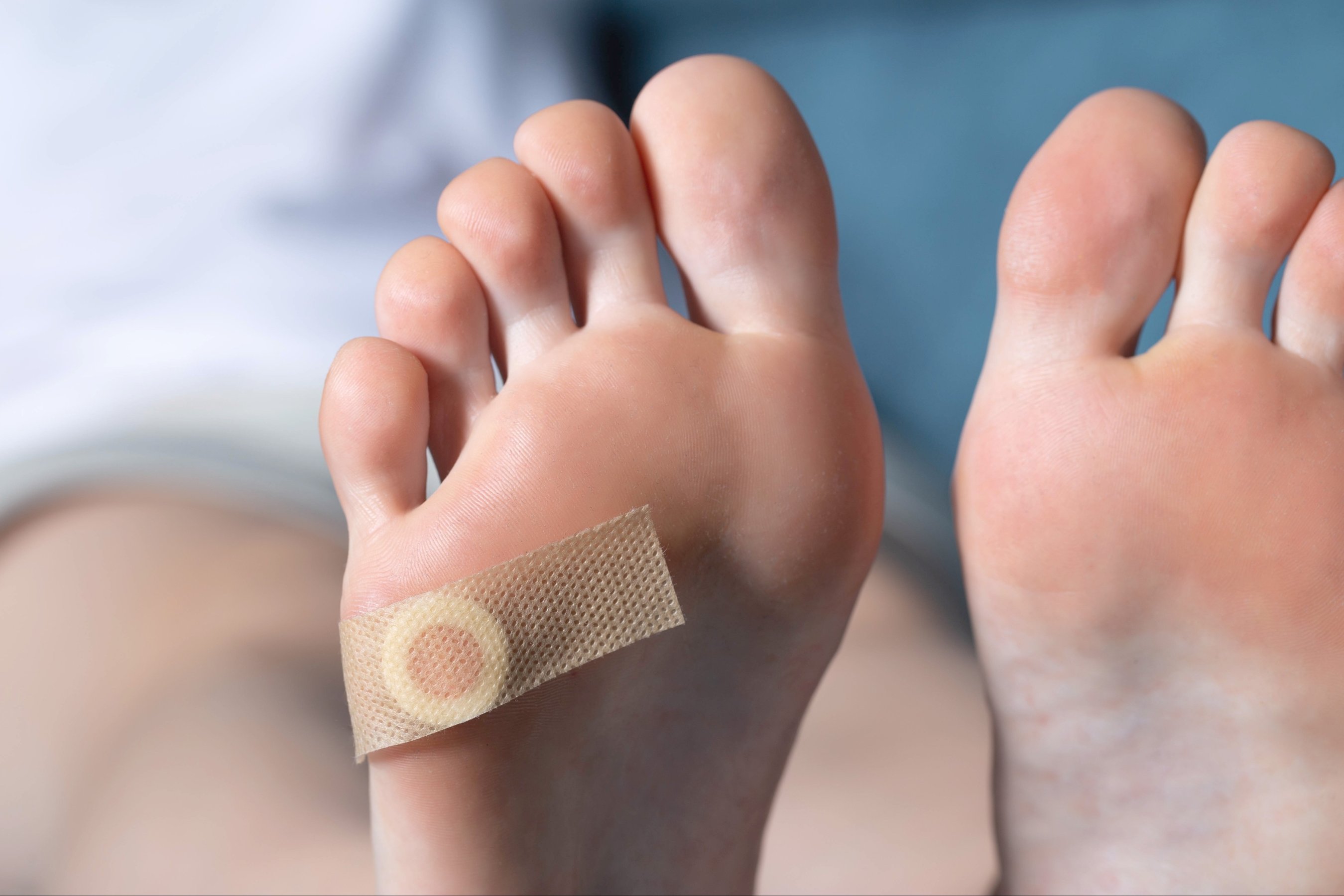
Key Takeaways
- Plantar warts develop from viral infections that enter through small cuts on the bottom of your feet.
- Catching and treating warts early prevents them from multiplying or spreading to other members of your household.
- Proper foot hygiene and avoiding walking barefoot in public areas are the most effective ways to stop the virus.
- Advanced, non-invasive therapies provide faster and more reliable results than over-the-counter remedies.
- Paragon Podiatry is your expert provider for comprehensive foot care, with convenient locations in Manhattan, the Bronx, and East Setauket to help you treat and prevent plantar warts.
Understanding Plantar Wart Causes and Risks
If you notice a rough, grainy growth on the bottom of your foot, you might be dealing with a plantar wart. Understanding plantar wart causes is the first step toward effective prevention. These common growths stem from the human papillomavirus (HPV). The virus thrives in warm, moist environments and easily enters the skin through tiny cuts, scratches, or weak spots on the bottom of your feet.
Because the virus attacks the outer layer of skin on the soles of your feet, the pressure from standing and walking often pushes the wart inward beneath a thick layer of hard skin. This pressure can cause significant discomfort, making it feel like you have a pebble in your shoe.
Are Warts Dangerous?
A common question patients ask is, 'are warts dangerous?' Generally, plantar warts do not pose a severe threat to your overall health. However, they are highly contagious and can cause intense pain if left ignored. When foot pain forces you to change your normal posture or walking gait, you can unintentionally trigger other joint or muscle problems, such as heel pain or ankle stress. Because the virus spreads so easily through direct contact, untreated warts can multiply on your own feet or spread to your family members.
The Importance of Early Detection
The longer you wait to address a foot wart, the harder it becomes to eliminate. Early detection plays a vital role in successful plantar wart treatment. When you catch a wart in its initial stages, the viral load is lower, and the physical size of the growth is smaller. This makes treatment faster and far less intrusive.
Watch your feet closely for small, fleshy, rough lesions on the base of your toes, the ball of your foot, or your heel. You might also notice pinpoint black dots within the lesion, which are actually small, clotted blood vessels. If you spot these signs, contact our foot doctors immediately to stop the virus in its tracks before it has the chance to spread to other areas of your skin.
Hygiene Practices to Prevent the Spread of Warts
Knowing how to prevent plantar warts requires a strict dedication to foot hygiene. Since the virus requires a point of entry and an ideal environment to survive, you can block its path by adopting these daily habits:
- Keep your feet clean and dry. Wash your feet daily with soap and water, and dry them thoroughly, especially between the toes.
- Change your socks and shoes daily. If your feet sweat heavily, change your socks multiple times a day to prevent moisture buildup.
- Do not pick at or scratch warts. Touching a wart and then touching another part of your body can easily transfer the virus.
- Wash your hands carefully. If you must touch your wart to apply a bandage, wash your hands with warm water and soap immediately afterward.
- Use a separate pumice stone or nail clipper. Never use the same foot care tools on your healthy skin that you use on your infected skin.
How to Avoid Common Triggers Like Shared Surfaces
Because HPV thrives in warm, damp places, communal areas pose the highest risk for transmission. To protect yourself, never walk barefoot around public swimming pools, gym locker rooms, or communal showers. Always wear protective footwear, like shower shoes or flip-flops, in these environments.
Furthermore, do not share towels, socks, or shoes with anyone else, even your closest family members. If you already have a wart, cover it with a clean bandage while you are at home to prevent shedding the virus onto your own floors and carpets.
Types of Warts on Feet and When to Seek Care
There are a few different types of warts on feet that you might encounter. Solitary plantar warts are single warts that grow over time. Mosaic warts are clusters of several small warts growing closely together in one area. Mosaic warts are notoriously more difficult to treat and often signal that the virus has already begun to spread aggressively.
You should seek professional treatment for persistent warts if:
- The wart causes severe pain that interferes with your daily activities.
- You notice the wart changing in color or appearance.
- The wart multiplies or spreads to other areas.
- You have diabetes or a weakened immune system, which requires immediate professional oversight to prevent severe complications.
- Over-the-counter remedies fail to produce results after a few weeks.
Plantar Wart Removal Options at Paragon Podiatry
When home remedies fail, it is time to search for 'wart removal near me.' At Paragon Podiatry, we utilize cutting-edge technology to target the root cause of the virus. We focus on minimally invasive methods that prioritize your comfort and deliver lasting results.
One of our premier treatments is Swift wart removal. This innovative therapy uses low-dose microwave energy to stimulate your body’s natural immune response. The treatment targets the underlying HPV infection directly, prompting your immune system to attack and clear the virus from your system.
Here is a quick comparison of standard treatments versus our advanced approach:
| Treatment Type | How it Works | Recovery Time | Effectiveness |
|---|---|---|---|
| Over-the-counter Salicylic Acid | Peels away layers of skin over time | Ongoing/Lengthy | Low to Moderate |
| Cryotherapy (Freezing) | Destroys the tissue by freezing it | Moderate | Moderate |
| Swift Therapy (Paragon Podiatry) | Immune system stimulation via microwave energy | Zero downtime | High |
By choosing professional plantar wart removal, you bypass the frustration of ineffective drug store kits and secure a targeted, medical-grade solution.
Tips for Maintaining Healthy Feet Post-Treatment
Once you successfully eliminate the wart, your goal shifts to keeping the virus from returning. Continue practicing the stringent hygiene habits you developed during treatment. Always wear shoes in high-risk public areas and keep your feet dry throughout the day.
Additionally, support your overall foot health by ensuring your shoes fit properly to reduce excess friction. If you struggle with abnormal pressure points on your feet, we may recommend custom inserts to distribute your weight evenly and prevent the skin breakdown that allows viruses to enter.
Let Paragon Podiatry Restore Your Foot Health
Don't let a stubborn wart slow you down or spread to your loved ones. Catching the virus early, practicing excellent foot hygiene, and seeking advanced medical care are the keys to a fast, complete recovery. At Paragon Podiatry, we are dedicated to helping you step confidently and comfortably.
Ready to find lasting relief from foot pain? Paragon Podiatry offers specialized, non-invasive wart removal across all our convenient locations. Schedule your appointment today and let our expert team get you back on your feet.
Frequently Asked Questions
Are warts on the feet contagious?
Yes, plantar warts are highly contagious. They spread through direct skin-to-skin contact or by touching surfaces contaminated with the human papillomavirus (HPV), such as locker room floors or shared towels.
How do I know if I have a plantar wart or a callus?
While both can feature thickened skin, a plantar wart often causes pain when you squeeze it from the sides, whereas a callus usually hurts when you press directly on it. Warts also frequently display tiny black dots, which are small, clotted blood vessels, and they disrupt the natural lines and ridges of your foot skin.
Can I safely cut a wart off at home?
No, you should never attempt to cut or scrape a wart off yourself. Doing so can cause bleeding, lead to severe bacterial infections, and actually push the virus deeper into your skin or spread it to nearby tissue. Always leave wart removal to a medical professional.
