
Key Takeaways
- Calluses return because removing thick skin does not remove the friction or pressure that built it.
- Foot structure, the way you walk, and shoe fit often recreate the same pressure point.
- Filing or soaking at home can ease discomfort for a while, but lasting results depend on fixing the cause.
- Custom orthotics can spread out body weight and take pressure off the spots that keep forming calluses.
- Paragon Podiatry finds and treats the root cause of recurring calluses in Manhattan, the Bronx, and East Setauket, and patients can request an appointment to start a longer-lasting plan.
Why Calluses Return After Removal
It is frustrating to remove a callus and watch it return within weeks. The reason is simple. A callus is the skin's response to pressure. If the pressure stays, the skin keeps building new layers.
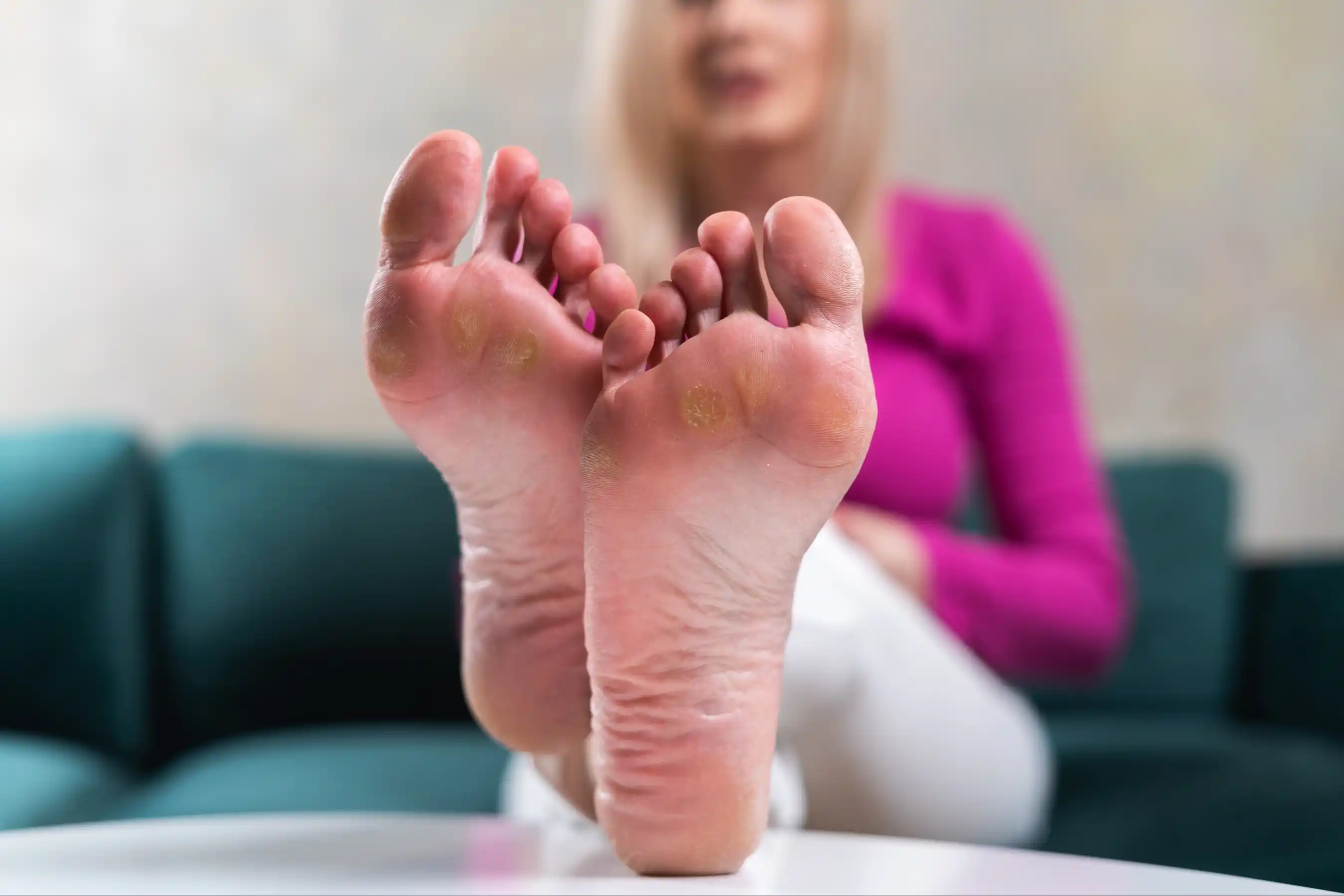
Some people search for 'foot callus disease,' but a callus is not a disease. It is a sign that something in the foot, the shoe, or the way you walk is creating too much force on one spot. Calluses can return at any time if the cause has not been addressed. For example, if tight shoes caused the callus and you keep wearing them, the callus will likely come back.
The Role of Foot Structure and Gait in Recurring Calluses
Gait is the way you walk. Foot structure is the shape and alignment of the bones in your feet. Together, they decide where your weight lands with every step.
Calluses on the ball of the foot often develop because of faulty foot positioning and poor weight distribution. Foot conditions can add to the problem. Bunions, hammertoes, bone spurs, and arthritis can shift bones out of line and create new pressure points.
A big toe callus is a common example. When the big toe takes extra load or rubs against a shoe, the same spot can thicken again and again.
Why Footwear Choices Matter More Than At-Home Treatment
Home care can make a callus feel better. Soaking, gentle filing, and moisturizer soften the skin. But if the same shoe keeps rubbing the same spot, the skin will thicken again.
Footwear habits that help:
- Choose shoes with enough room in the toe area so toes do not rub.
- Wear socks that fit snugly and do not bunch under the foot.
- Avoid narrow, high-heeled shoes for long stretches.
- Keep toenails trimmed so they do not push toes against the shoe.
Never cut or shave a callus with a sharp object. That can cause bleeding and infection.
Home Care vs. Professional Care for Recurring Calluses
| Factor | Home Care | Professional Care at a Podiatry Office |
|---|---|---|
| Removes thick skin | Yes, with soaking and gentle filing | Yes, with debridement (careful removal of thickened skin) |
| Finds the cause | No | Yes, through a foot and gait exam |
| Addresses foot structure | No | Yes, with orthotics or other options |
| Safe for people with diabetes | No, see a provider | Yes, with proper monitoring |
| Likely to last | Short term if the cause remains | Longer lasting when the cause is treated |
How Custom Orthotics Address Root Pressure Points
Orthotics are shoe inserts that support the foot. Custom orthotics are made from a detailed look at your feet instead of a standard size. Customized insoles can even out the weight-bearing forces on the bottom of the foot, which helps stop calluses from forming.
At Paragon Podiatry, the custom orthotics process starts with an assessment of your feet, gait, and biomechanics. Biomechanics means how your feet move and carry weight. The podiatrist may take measurements, capture images, or make a mold. The orthotics are then built to fit your foot shape and your shoes.
When Professional Treatment Offers Longer-Lasting Results
A podiatry visit makes sense when:
- A callus returns again and again after removal.
- The callus is painful, cracked, red, or swollen.
- You think your bone structure may be causing the problem.
- You have diabetes, poor circulation, or numb feet.
In some cases, a bone or toe deformity keeps causing calluses even with good shoes and inserts. A provider may consider surgery to realign the bone in those cases. Most patients start with simpler options. Learn more about callus and skin care at Paragon Podiatry.
Break the Callus Cycle With a Plan Built Around Your Feet
Calluses keep coming back when the cause is missed. Treating the pressure, not just the skin, is what leads to lasting comfort.
To end the cycle, schedule a callus treatment visit with Paragon Podiatry. The team at Paragon Podiatry sees patients in Manhattan, the Bronx, and East Setauket and can tailor care to your feet and your daily routine.
Frequently Asked Questions
Why do calluses keep growing back on my feet?
Calluses return when friction or pressure continues. Shoe fit, foot shape, and the way you walk often recreate the same pressure spot after the thick skin is removed.
Can calluses go away for good?
Yes, when the cause is fixed. Better shoe fit, custom orthotics, and care for foot structure problems can stop the pressure that builds calluses.
Is it safe to remove calluses at home?
For most healthy people, gentle filing after soaking is fine. Never cut a callus. People with diabetes, poor circulation, or numb feet should see a podiatrist instead.
Can orthotics prevent calluses?
Often, yes. Custom orthotics spread weight more evenly across the foot, which can reduce pressure points that cause calluses.
Where can I find a podiatrist near me for callus treatment?
Paragon Podiatry treats recurring calluses in Manhattan, the Bronx, and East Setauket. Request an appointment online to get started.
